Color Beard and Moustache
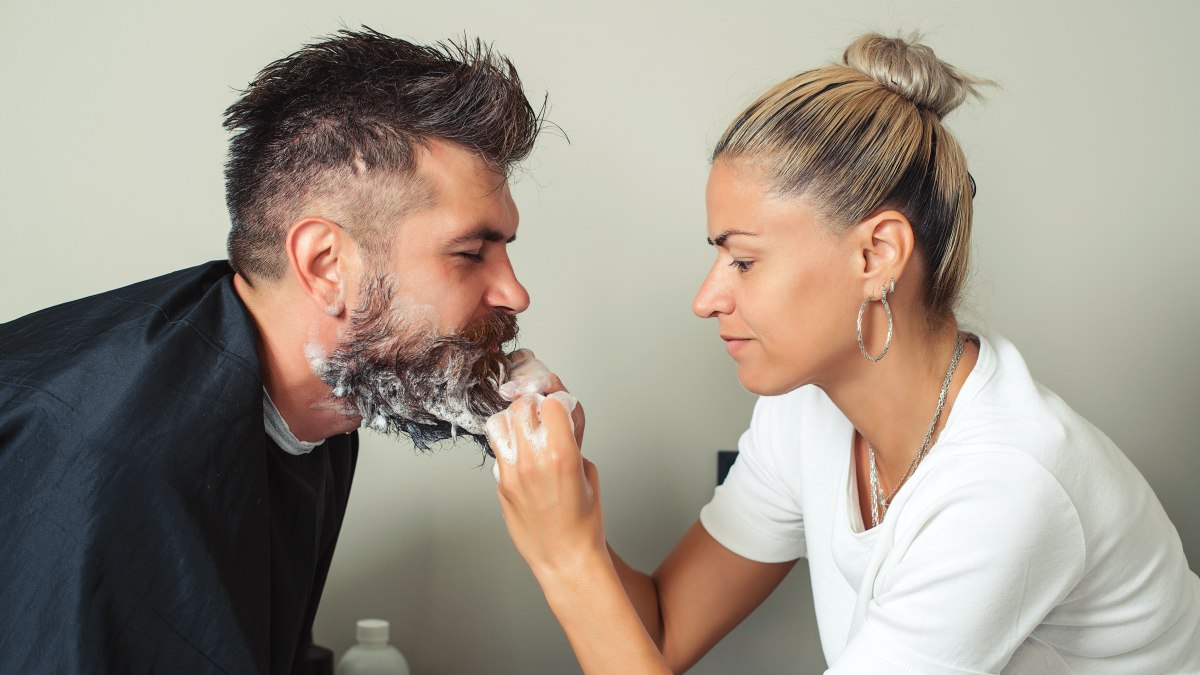
A: Yes, of course. The hair on your face is hair just like on any other part of your body. However, while you can technically use standard hair color, it isn't ideal. Facial hair dye formulated specifically for beards is much safer and more effective.
What You Need to Know
• Use the Right Product: Head hair dye is designed for a 30–45 minute development time and can easily run or drip down your face. Beard-specific dyes feature a thicker, non-drip cream formula that processes in just 5–10 minutes and handles coarse facial hair much better.• Always Patch Test First: The skin on your face and neck is far more sensitive than your scalp. Perform a patch test on your inner elbow 48 hours prior to full application to check for allergic reactions to dyes (especially PPD, a common allergen in dark dyes).
• Precise Application: Coloring facial hair should always be done using a small brush applicator for better targeting and control. While a small toothbrush works in a pinch, most facial hair dye kits come with a dense brush designed specifically for this purpose.
• Bleaching Precautions: If you need to lighten your facial hair, DO NOT use high-volume developer peroxide or standard scalp-bleaching powders. These chemicals are extremely harsh and will cause chemical burns on sensitive facial skin. However, skip women's facial hair bleaching kits as well. They are designed solely to make fine peach fuzz translucent, not to lift heavy pigment for re-coloring, and can turn coarse beards an unnatural bright orange. Instead, use a low-volume developer paired with a gentle facial-safe cream lightener, and apply barrier cream around the edges.
• Skin Protection & Cleanup: Coat the skin around your beard line with petroleum jelly or mineral oil before starting, to act as a barrier against stains. Keep a dedicated hair color stain remover on hand (available at beauty supply stores) to wipe away accidental drips on the skin without lifting the color from your beard. If you don't have stain remover, rubbing alcohol or a mild micellar water on a cotton pad also works well if used immediately.
• Trimming & Shaving: It is best to trim the beard before dyeing to save product, but avoid shaving right down to the skin immediately before applying dye, as micro-abrasions increase the risk of chemical burns and allergic reaction.
©hairfinder.com
See also:
How to color your hair
How bleaching hair works
Basic styles for moustaches and beards