Pulling Gray Hairs Out
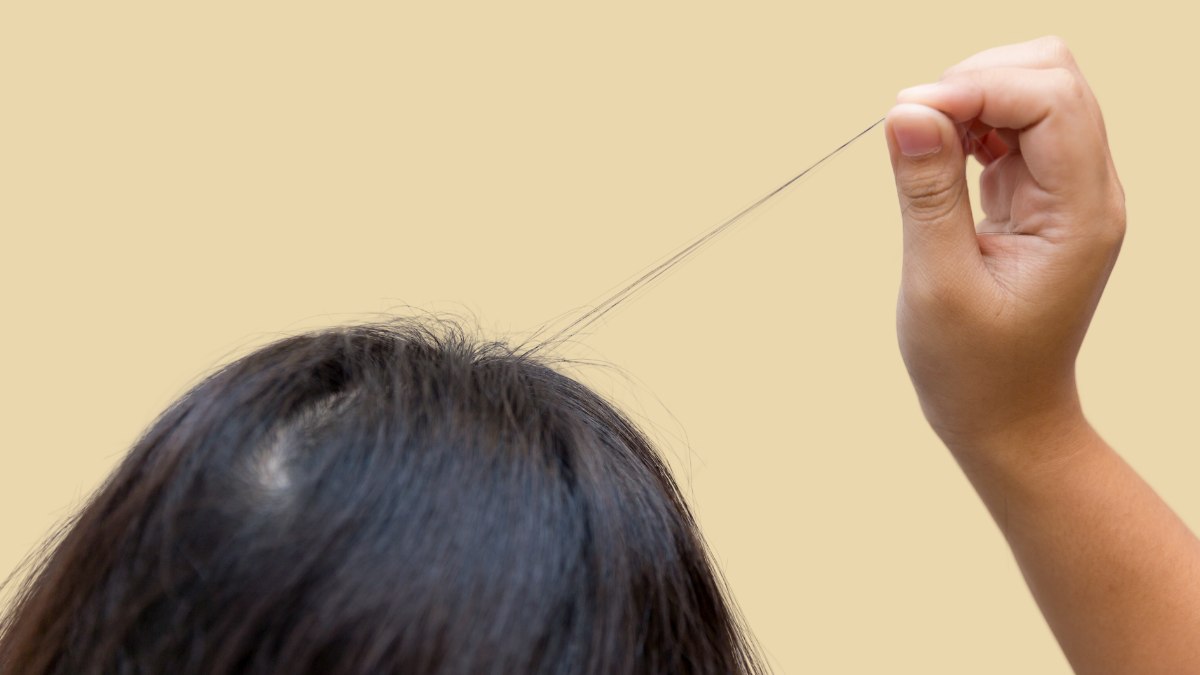
A: Unfortunately, no. Trust me, I wish it did! If plucking gray hairs could magically multiply them, practically everyone dealing with both thinning and graying hair would be constantly pulling at their strands to encourage a thicker, fuller head of hair. It's one of those beauty myths that sounds almost too good to be true, and sadly, it is.
The Science Behind Gray Hair
Graying hair occurs when pigment production in individual hair follicles simply shuts down. Each hair follicle contains cells called melanocytes that produce melanin, the same pigment that gives color to our skin and eyes. As we age, these melanocytes gradually become less active and eventually stop producing pigment altogether. Without melanin, the new hair shaft grows in translucent, which appears silver, white, or gray depending on how the light hits it.The timing and pattern of gray hair development are largely determined by genetics. If your parents went gray early, chances are you will too. However, several external factors can accelerate the process:
• Stress: Significant physical or emotional stress triggers hormones like cortisol and norepinephrine, which can prematurely deplete melanocyte stem cells in the follicle.
• Nutritional Deficiencies: Lack of key nutrients - specifically Vitamin B12, Vitamin D, iron, copper, and zinc - can contribute to premature graying.
• Medical Conditions & Habits: Conditions like thyroid dysfunction, vitiligo, and alopecia areata, as well as oxidative stress from smoking or pollution, can affect pigment production.
Why People Believe the Multiplication Myth
The persistent myth about plucking gray hairs causing two to grow back likely originated from coincidental timing. When people first notice gray hairs, they're usually in the early stages of the graying process.They might pluck out those first few gray strands, but meanwhile, surrounding follicles are naturally losing their pigment production at the same time. Within a few weeks or months, several more gray hairs appear in that area, making it easy to assume plucking caused the multiplication.
In reality, each hair follicle operates independently and can only produce one single hair at a time. When you pluck a hair, you're removing the strand, but you're not changing the fundamental biology of that follicle or affecting its neighbors. The replacement hair that eventually grows from that same follicle will be gray, too.
The Dangers of Plucking
There are downside risks to constantly pulling at gray strands:• Follicle Trauma: Repeatedly yanking hairs can damage the follicle root, potentially causing infection, localized inflammation, or scarring.
• Permanent Loss: Constant pulling can lead to traction-related damage, leaving you with patchy spots where hair stops growing altogether.
• Textural Issues: If the hair does grow back, damaged follicle walls can cause the new strand to grow in wirier, coarser, or misdirected.
If a stray gray hair is bothering you, resist the urge to yank! The safest move is to carefully snip it close to the scalp with small scissors until you decide whether to dye it or embrace the gray.
©Hairfinder.com
See also:
Why and how hair turns gray
Does gray hair grow faster than normal colored hair?
Is it true that coloring your hair will make it turn gray faster?